
Get Main Water Line Installation
Main Water Line Installation services connect property owners with local contractors who install, repair, or replace main water lines to ensure reliable water supply and prevent leaks.
Main water line installation is a critical project for property owners looking to ensure reliable access to clean water throughout their property. Whether planning a new construction, upgrading an aging system, or repairing a damaged line, having the right local contractors can make a significant difference. Exploring your options and comparing services helps in making informed decisions that align with your property’s needs and future plans.
For those considering a water line upgrade or installation, understanding the scope of work and the expertise available in the area is essential. Local service providers can offer guidance tailored to the specific requirements of your property, helping you navigate the planning process with confidence. Keep reading to discover how connecting with experienced local contractors can support your project goals.
- Main Water Line Replacement - needed when the existing water line is old, leaking, or damaged.
- New Water Line Installation - required during home construction or when connecting a new property to the municipal water supply.
- Water Line Repair - necessary if there are frequent leaks, low water pressure, or visible pipe damage.
- Underground Water Line Services - needed for repairs or replacements of buried water lines that are inaccessible or deteriorating.
- Main Water Line Upgrades - sought when upgrading to higher water flow or replacing outdated piping systems.
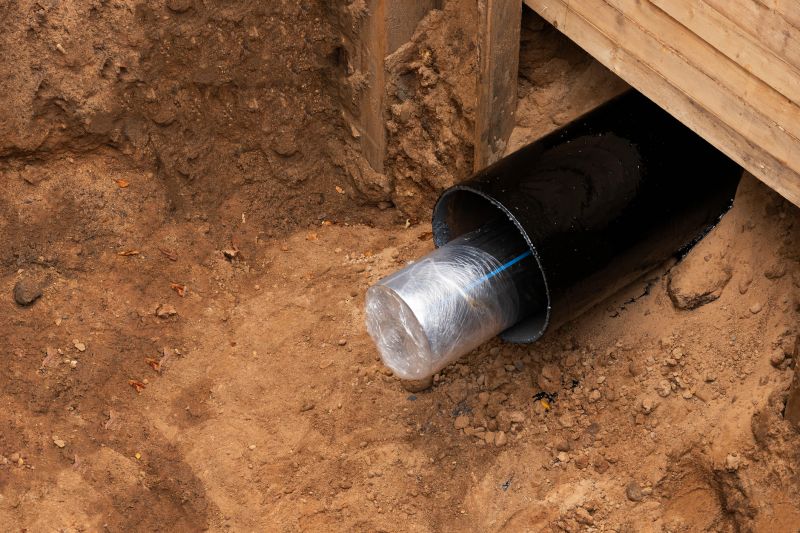
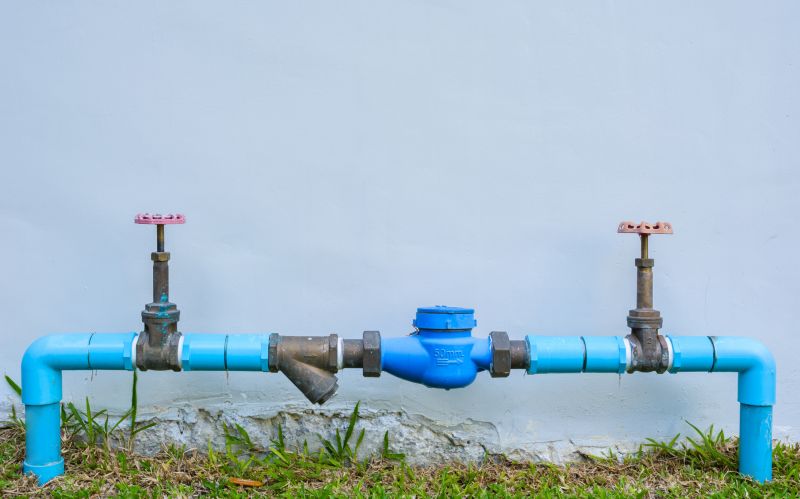
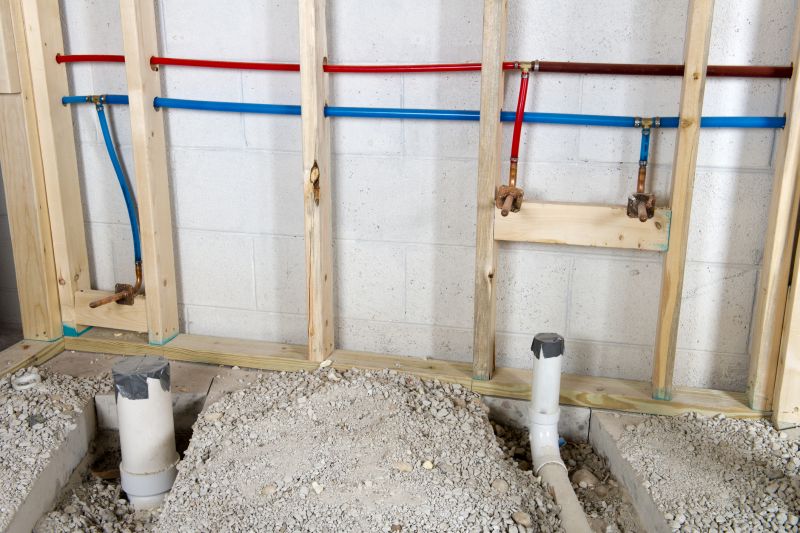
Main water line installation services involve setting up or replacing the primary pipe that delivers water from the municipal supply or well source to a property's plumbing system. This process typically includes assessing the existing infrastructure, excavating the area around the property’s main connection point, and installing durable piping that ensures a reliable flow of water throughout the home or building. Skilled contractors focus on proper connection points, ensuring the new line is securely integrated with existing plumbing and meets local codes for safety and performance. Proper installation is essential to provide consistent water pressure and prevent leaks or interruptions in service.
These services are often necessary when existing water lines are aging, damaged, or have developed leaks that compromise water quality and pressure. Common problems that prompt a main water line replacement include frequent low water pressure, unexplained spikes in water bills, or visible signs of leaks such as soggy ground or foundation issues. In some cases, property owners may need a new line if they are building a new home or adding significant plumbing fixtures that require a higher volume of water supply. Local contractors can evaluate the condition of existing lines and recommend whether a replacement or repair is the best solution.
Main water line installation is applicable to a variety of property types, including single-family homes, multi-unit residential buildings, commercial properties, and new construction projects. Homes with older plumbing systems are more likely to require replacement to prevent ongoing leaks or water damage. Commercial properties and multi-family units often need larger or more complex installations to support higher water demands. Additionally, properties undergoing major renovations or expansions may need new lines to accommodate increased plumbing needs. Local service providers have experience working with different property types and can tailor their services to the specific requirements of each project.
Homeowners typically seek main water line installation services when experiencing persistent plumbing issues or preparing for new construction. Recognizing the signs of a failing water line-such as inconsistent water flow, unexplained increases in utility bills, or visible ground erosion-can help determine when a replacement is necessary. Expert contractors can assess the existing infrastructure, diagnose potential problems, and recommend the best course of action. Connecting with local pros ensures that the installation is handled efficiently and correctly, helping to maintain a reliable water supply and prevent future plumbing issues.
The overview below groups typical Main Water Line Installation projects into broad ranges so you can see how smaller, mid-sized, and larger jobs often compare in your area.
In many markets, a large share of routine jobs stays in the lower and middle ranges, while only a smaller percentage of projects moves into the highest bands when the work is more complex or site conditions are harder than average.
Smaller Repairs - Typical costs for minor repairs or adjustments to existing water lines generally range from $250 to $600. Many routine jobs fall within this middle range, depending on the specific issue and accessibility.
Partial Replacement - Replacing a section of the main water line usually costs between $1,000 and $3,000. Larger, more complex projects can go higher, but most projects are completed within this range.
Full Main Water Line Replacement - Full replacement of the main water line typically ranges from $3,500 to $7,000. Factors such as pipe material and property size influence the final cost, with many projects landing in the middle of this spectrum.
Large or Complex Installations - Extensive or custom water line installations can exceed $10,000, especially in cases involving difficult access or additional excavation. Such projects are less common but may be necessary for certain property conditions.
Actual totals will depend on details like access to the work area, the scope of the project, and the materials selected, so use these as general starting points rather than exact figures.
Underground Utility Line Installation - this project involves planning and installing various underground utility lines, requiring similar skills and tools used in main water line installation.
Drainage System Setup - setting up residential or commercial drainage systems involves trenching, pipe laying, and planning comparable to main water line work.
Pipe Repair and Replacement - repairing or replacing damaged water or sewer pipes demands expertise in pipe handling, excavation, and system assessment similar to main water line projects.
Sump Pump Installation - installing sump pumps requires excavation, pipe connections, and system planning that align with the skills used in main water line setup.
Water Meter and Valve Installation - installing or replacing water meters and valves involves precise pipe work and system integration akin to main water line services.
Backflow Prevention System Installation - setting up backflow preventers involves plumbing knowledge and planning comparable to main water line installation tasks.
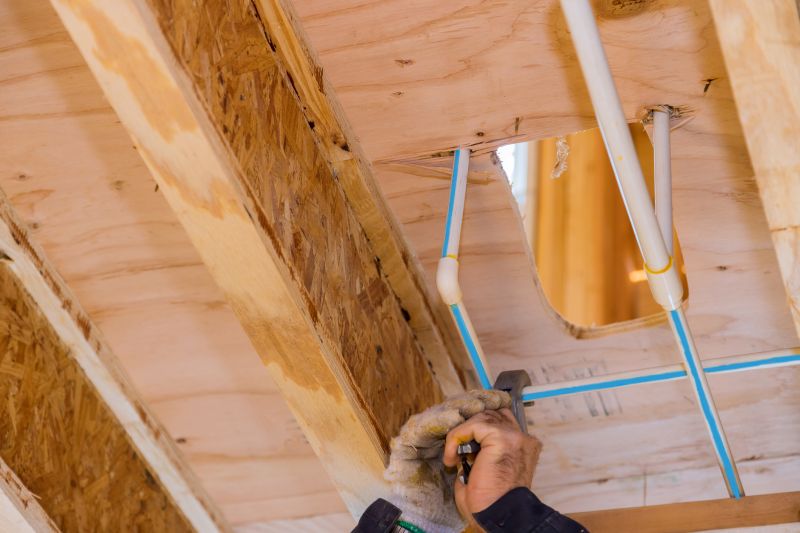
When evaluating service providers for Main Water Line Installation, it’s important to consider their experience with similar projects. Homeowners should look for local contractors who have a proven track record of handling water line installations in residential settings. An experienced professional is more likely to understand the nuances of different property layouts and soil conditions, which can contribute to a smoother project process and a reliable outcome. Asking for details about past work or seeking references can help gauge whether a contractor has successfully completed projects comparable to the scope and complexity of the installation needed.
Clear, written expectations are essential when comparing local service providers. Homeowners should seek detailed proposals that outline the scope of work, materials to be used, and any specific steps involved in the installation process. Having this information in writing helps prevent misunderstandings and ensures everyone is aligned on project goals. It’s also beneficial to inquire about warranties or guarantees offered, as these can provide added confidence in the quality and durability of the work performed. Clear communication upfront can save time and reduce surprises during the project.
Reputable references and good communication are key indicators of a trustworthy contractor. Homeowners can ask local service providers for references from recent clients to get firsthand insights into their experience and satisfaction. Additionally, a contractor’s responsiveness and willingness to answer questions demonstrate their professionalism and commitment to customer service. Good communication ensures that expectations are understood from the start and that any concerns can be addressed promptly. While this site introduces homeowners to local options, selecting a contractor with a solid reputation and clear communication can make the entire process more straightforward and successful.
Property owners use Main Water Line Installation services for practical projects around their homes and businesses. This guide focuses on everyday jobs and straightforward project options.
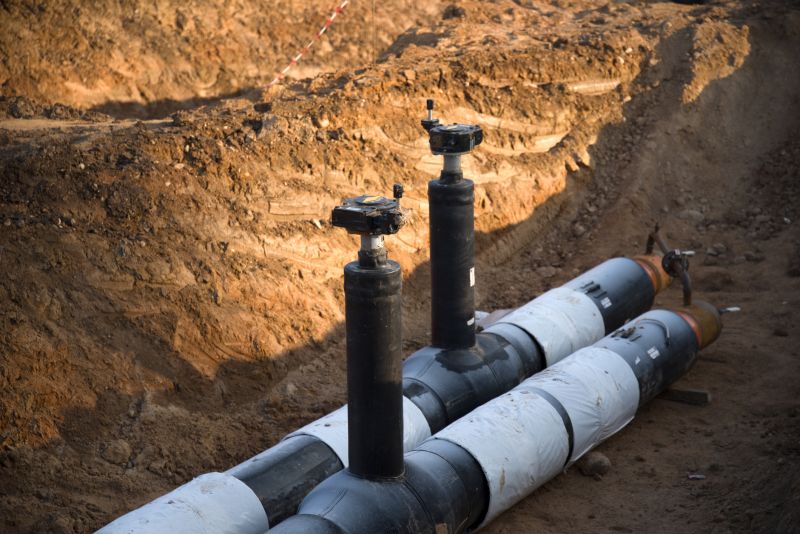
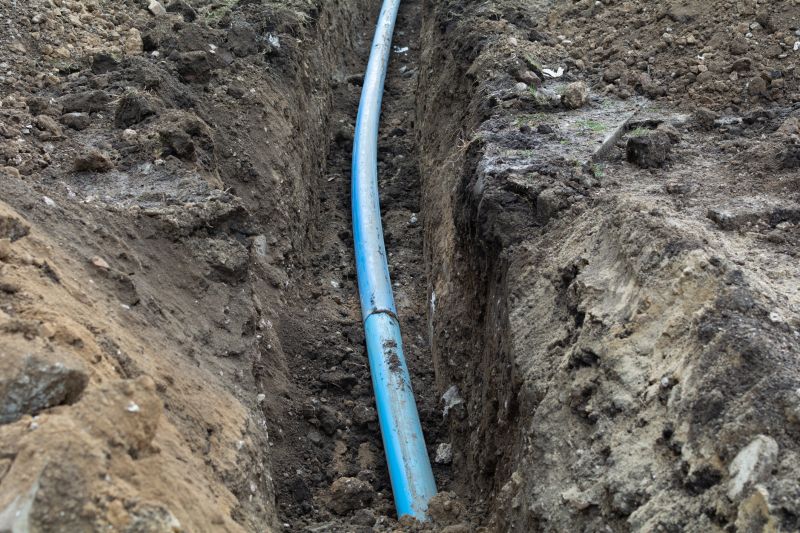
Main water line installation services are often needed when property owners experience frequent leaks, low water pressure, or outdated piping that no longer meets their household needs. These projects can also arise during major renovations or additions, such as expanding a home or installing new appliances that require a more reliable water supply. Local contractors specializing in water line work can assess existing infrastructure and provide solutions to ensure a steady and efficient flow of water throughout the property.
Property owners might seek main water line installation when connecting a new property to the municipal water system or replacing an aging line that has become a source of inconvenience or damage. Additionally, issues like frequent pipe bursts or signs of corrosion can prompt the need for professional installation services. Local service providers are equipped to handle these situations, helping to restore proper water service and prevent future problems with durable and properly installed water lines.
What is involved in main water line installation? Main water line installation typically includes connecting the property’s plumbing to the municipal water supply, ensuring proper fittings, and testing the system for leaks and pressure.
How do local contractors handle main water line replacements? Local contractors assess the existing infrastructure, excavate as needed, install new piping according to code, and restore the area afterward.
What types of materials are used for main water lines? Common materials include copper, PVC, and PEX piping, selected based on durability, local codes, and property requirements.
Are permits required for main water line installation? Permit requirements vary by location, but many areas require permits to ensure the installation meets local building and plumbing codes.
What signs indicate a need for main water line repair or replacement? Signs include low water pressure, frequent leaks, discolored water, or visible damage to the water line outside the property.
Main Water Line Replacement - Property owners can upgrade an aging or damaged water line to ensure consistent water flow throughout the home.
Leak Repair and Detection - Local contractors can identify and fix leaks in the main water line to prevent water wastage and property damage.
New Water Line Installation - Installing a new main water line can support home expansions or new construction projects.
Water Line Maintenance - Regular inspections and maintenance services help keep the main water line functioning properly and prevent future issues.
If you are thinking about Main Water Line Installation for a property, this guide is meant to help you understand the work, the typical project types, and how different options might fit your plans.
When you are ready, you can use the quote form on this page to share a few details about your project. From there, local pros can review the basics and respond with options that match what you have in mind.